Written by James Veal
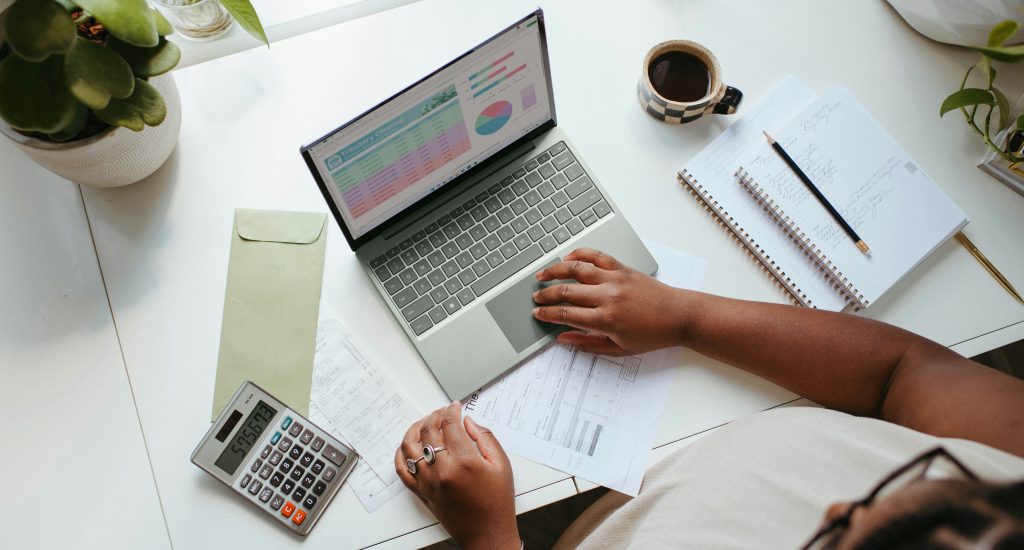
One of the most common questions from people who are new to self-employment is simple but important: how do you actually pay yourself? There’s no payroll, no HR department issuing a payslip — so what happens to the money you earn?
Sole Traders Don’t Pay Themselves a Salary
As a sole trader, you and your business are legally the same entity. All the money your business earns belongs to you directly. Rather than paying yourself a salary (which would be a business expense), you simply take money out of your business whenever you need it. These withdrawals are called drawings.
There’s no formal process required — you can transfer money from your business bank account to your personal account whenever you like. You don’t need to fill in a form, get approval, or declare it to HMRC at the time you take it.
What Are Drawings?
Drawings are simply the money you take out of your business for personal use. They are not a business expense and are not tax-deductible. The key point is this: your tax bill is based on your profit, not on how much you actually take out.
So if your business makes £45,000 profit in a tax year, you’ll be taxed on £45,000 — regardless of whether you took out £10,000 or £40,000 in drawings. This catches a lot of sole traders out, particularly in their first year. You can read more about how sole trader tax is calculated on HMRC’s self-employment tax guidance.
How Much Should You Take Out?
There’s no rule on how much you can draw — it’s your money. However, it’s essential to keep enough in your business account to cover:
- Your upcoming Self Assessment tax bill
- National Insurance contributions (both Class 2 and Class 4)
- Any VAT you owe if you’re VAT registered
- Day-to-day business running costs
A common approach is to set aside around 25–30% of your income into a separate savings pot each time money comes in. This acts as your tax reserve and prevents the unpleasant surprise of a large HMRC bill you can’t cover.
Drawings vs Business Expenses: The Key Difference
It’s important not to confuse personal drawings with business expenses. Business expenses — such as tools, software, travel, and professional fees — reduce your taxable profit and save you tax. Drawings do not. They come out of your profit after tax has been calculated.
If you’re unsure what counts as a legitimate business expense, our guide to what expenses sole traders can claim covers this in detail.
Should You Have a Separate Business Bank Account?
Legally, as a sole trader, you’re not required to have a separate business bank account — but it’s strongly advisable. Keeping business income and personal spending in the same account makes your bookkeeping significantly harder and increases the risk of mixing up personal and business transactions.
A separate account makes it much easier to track your income, identify claimable expenses, and demonstrate your finances to HMRC if ever asked.
What About Paying Yourself a Regular Amount?
Many sole traders find it useful to pay themselves a set amount each month — treating it like a salary — even though it’s technically drawings. This helps with personal budgeting and gives you a clearer picture of what the business can sustainably afford to give you.
If income fluctuates month to month (which is common), you might take a conservative base amount each month and then take a larger drawing at the end of the year once your profit is confirmed.
What If You Want to Be More Tax-Efficient?
Some self-employed people consider forming a limited company when their profits reach a certain level, as directors can take a combination of salary and dividends that can be more tax-efficient than sole trader drawings. However, this involves additional complexity and costs, and isn’t always the right move. Our guide to sole trader vs limited company looks at this in more detail.
Need Help Getting This Right?
PBAS works with sole traders across Scotland to keep their books in order and make sure they’re not caught short at tax time. Whether you need help with bookkeeping, Self Assessment, or simply understanding where your money should go, we’re here to help.
Need Help with This?
PBAS provides affordable bookkeeping and accountancy services for sole traders and small businesses across East Lothian, Edinburgh, Midlothian and throughout Scotland. If you’d like a hand with your accounts, self assessment or any tax matter, get in touch for a free, no-obligation chat.
This article provides general guidance only. For specific advice on your circumstances, consult HMRC directly via the GOV.UK income tax guide or speak to a qualified bookkeeper.

About the author
James leads Premier Bookkeeping and Accountancy, helping sole traders and landlords across Wallyford, Musselburgh, East Lothian, Edinburgh and the rest of Scotland stay on top of their bookkeeping and Making Tax Digital obligations. He writes practical, plain-English guidance based on the questions clients bring to the practice day to day.